01
Assessment & Sizing
The existing chimney shaft or boiler exhaust configuration is assessed. Pipe diameter, length, and fuel type are determined to select the correct system specification.

When you need a reliable, cost-effective chimney solution for relining existing brick chimneys or connecting boilers to exhaust outlets, Kapella's single wall chimney systems deliver proven performance backed by European certification and precision manufacturing.
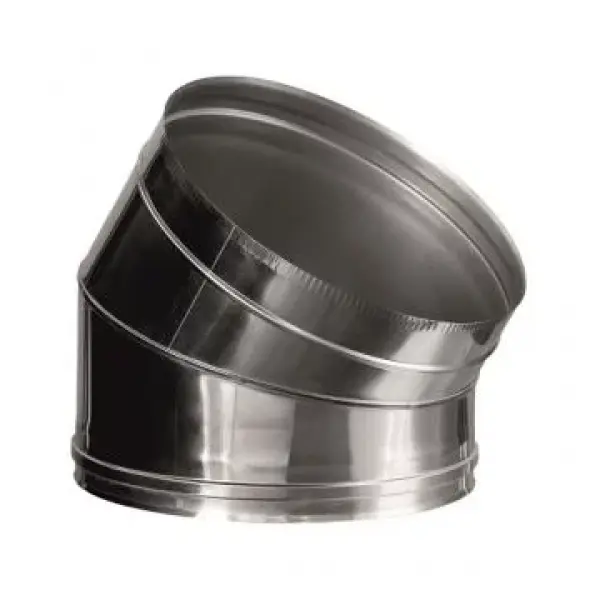
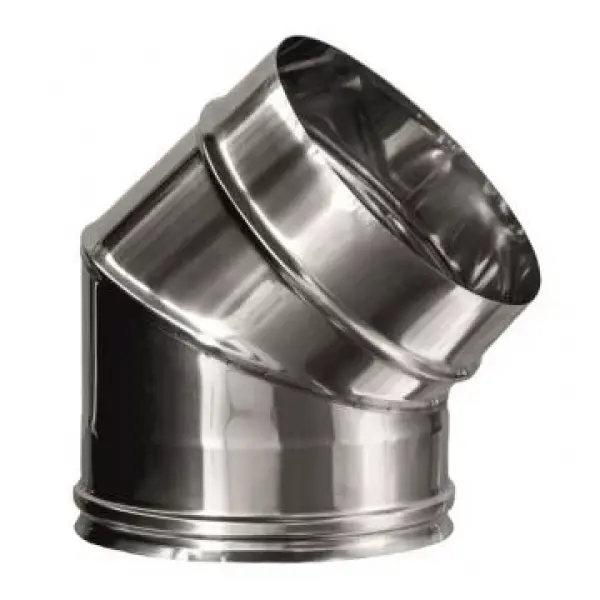
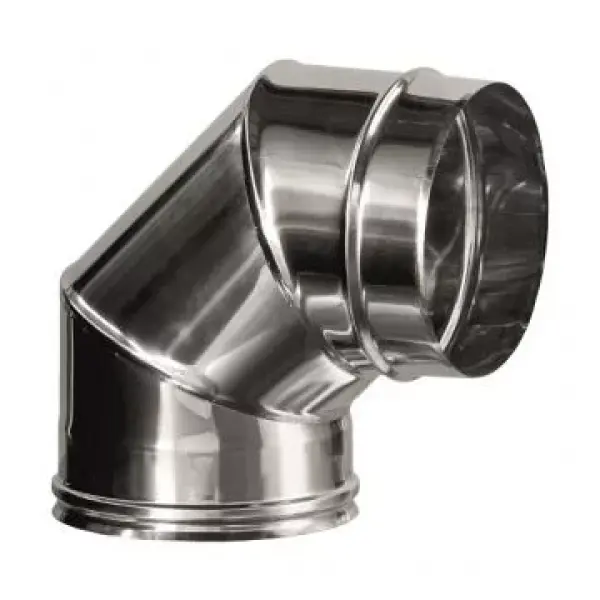
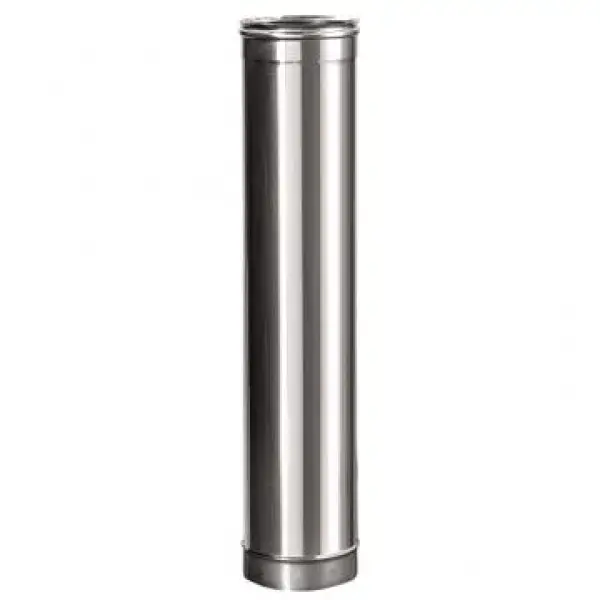
Constructed from high-grade stainless steel, every Kapella single wall chimney pipe is manufactured using continuous TIG/WIG welding and laser cutting technology. This ensures perfectly sealed seams, consistent wall thickness, and a smooth interior surface that minimizes soot buildup and maximizes exhaust flow efficiency. Our proprietary plug-in connection system allows precise, tool-free pipe-to-pipe fitting — reducing installation time and eliminating the risk of misaligned joints.
Single wall chimney systems are designed for installation within existing masonry shafts, making them the ideal choice for chimney relining projects where the surrounding structure already provides thermal protection. When installed inside a shaft, additional insulation is typically not required, keeping material costs and installation complexity to a minimum.
Kapella single wall systems handle the full range of fuel types — solid fuels such as wood and coal, liquid fuels including oil and diesel, and gas fuels like natural gas and LPG. This versatility makes them suitable for residential heating systems, commercial boiler rooms, industrial exhaust applications, and building renovation projects.
Every Kapella single wall chimney system is CE approved and fully compliant with EN 1856 Parts 1 and 2, tested to withstand continuous operating temperatures of 400°C.
With installations across the Gulf region, Europe, Africa, and the Middle East, Kapella single wall chimney systems are specified by engineers, contractors, and building services consultants who demand certified quality and long-term reliability.
Assessment & Sizing
The existing chimney shaft or boiler exhaust configuration is assessed. Pipe diameter, length, and fuel type are determined to select the correct system specification.
Plug-In Assembly
Kapella single wall pipes connect using a precision plug-in system — each pipe slides into the next with a secure, airtight fit. No special tools or welding are required on site.
Shaft Installation
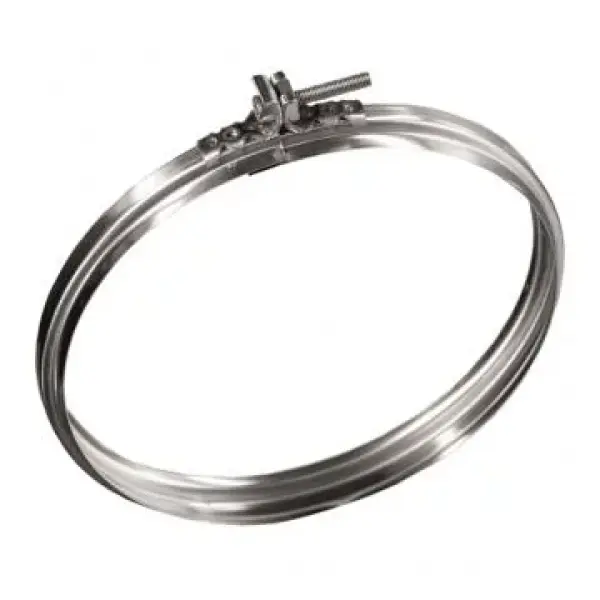
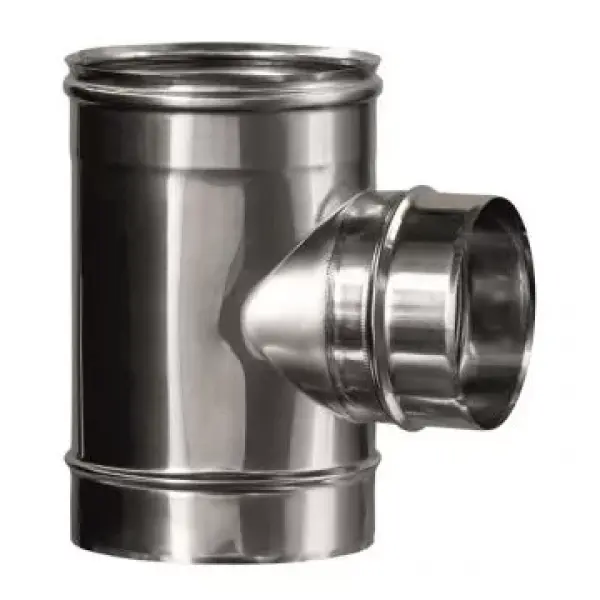
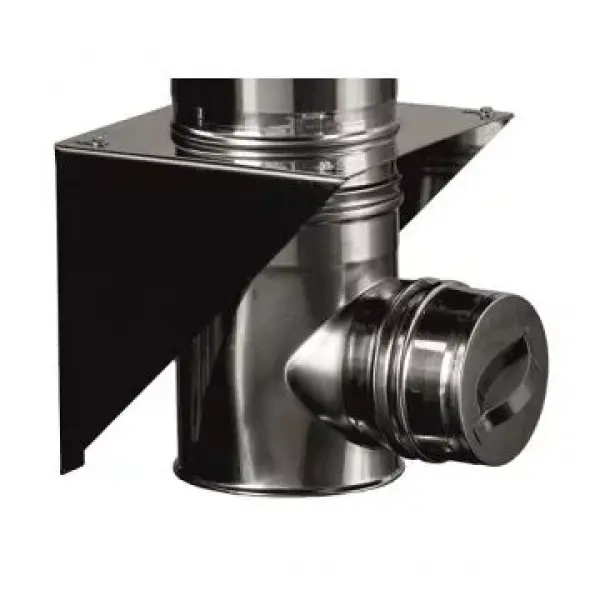
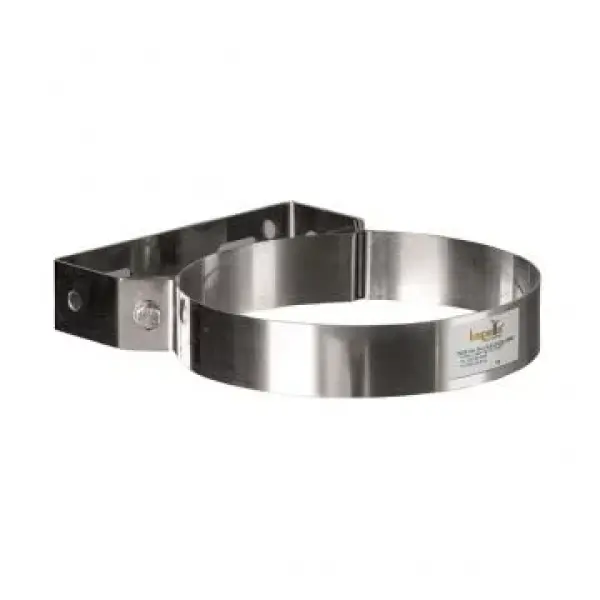
Assembled pipe sections are lowered into the existing masonry shaft or connected directly to the boiler outlet. Support brackets and adapters are positioned at calculated intervals.
Commissioning & Testing
Every chimney system is carefully commissioned and tested before handover to ensure safe and reliable operation. Airflow, draft performance, connection integrity, and overall system functionality are checked to confirm that the installation meets the required design and operating conditions.
Single wall chimney systems are primarily used for relining existing brick or masonry chimneys and for connecting boilers or stoves to chimney outlets. They restore draft performance in aging chimneys and provide a corrosion-resistant flue lining inside the shaft.
When installed inside an existing masonry shaft, insulation is typically not required because the surrounding brickwork provides adequate thermal protection. If the pipe is exposed or runs outside a shaft, insulation or a double wall system is recommended.
Kapella single wall systems are designed for solid fuels (wood, coal), liquid fuels (oil, diesel), and gas fuels (natural gas, LPG). The stainless steel construction and T400 rating ensure safe operation across all common fuel types.
Kapella uses a precision plug-in system — each pipe end is laser-cut to exact tolerances, allowing one pipe to slide securely into the next without on-site welding or special tools. This creates an airtight, mechanically stable connection.
Yes, when the chimney route runs inside a dedicated shaft or duct. For exposed exterior chimney routes in new buildings, a double wall insulated system is generally recommended. Kapella offers both options and can advise on the best solution for your project.