01
System Specification
Fuel type, appliance output, chimney route (internal/external), and environmental conditions are assessed to determine the correct diameter, insulation thickness, and material grade.

When chimney routes run outside the building envelope — through external walls, across rooftops, or along facades — thermal insulation becomes critical. Kapella's double wall chimney systems are purpose-built for exterior installations, delivering superior heat retention, condensation prevention, and structural stability in all weather conditions.
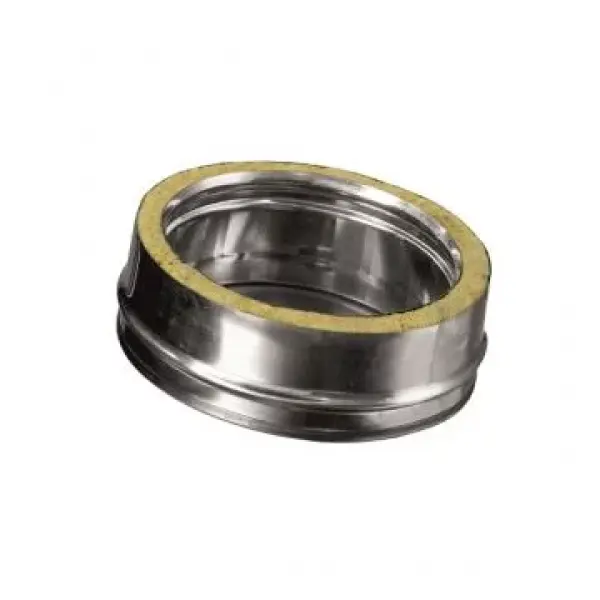
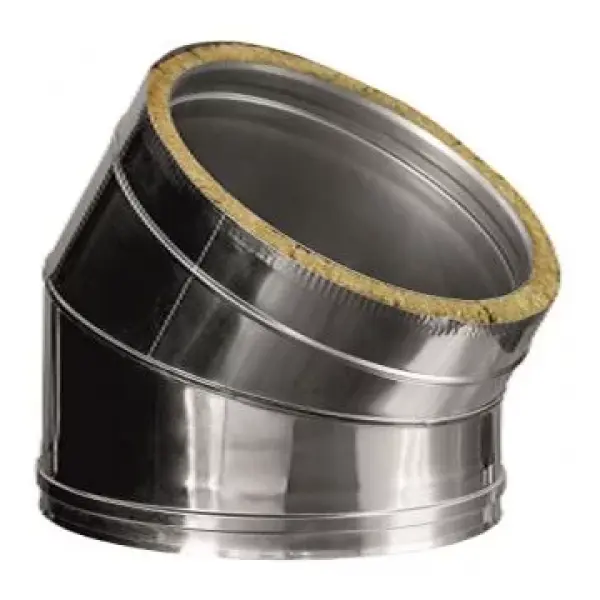
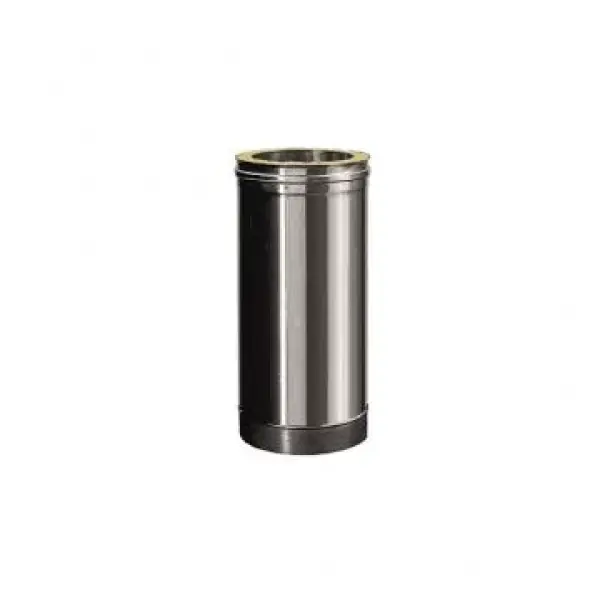
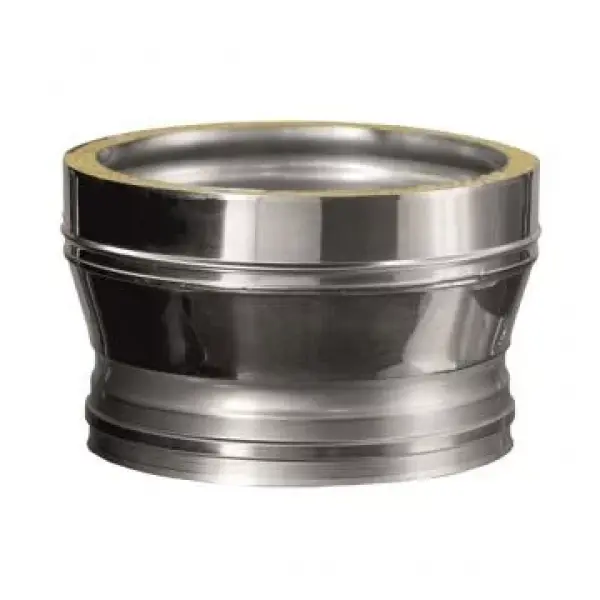
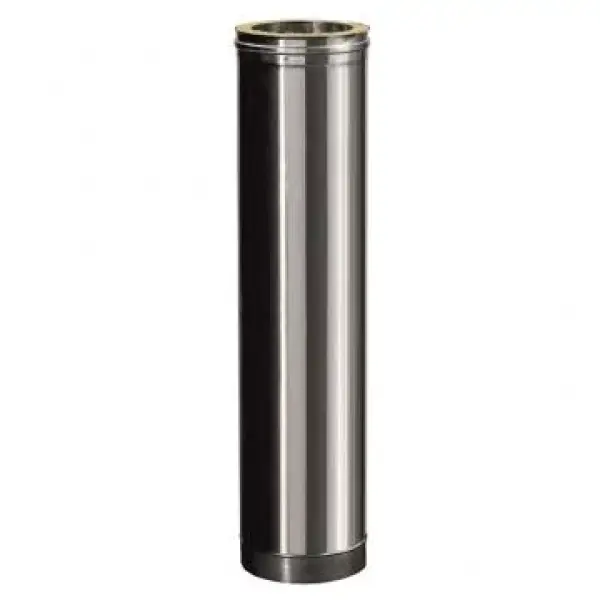
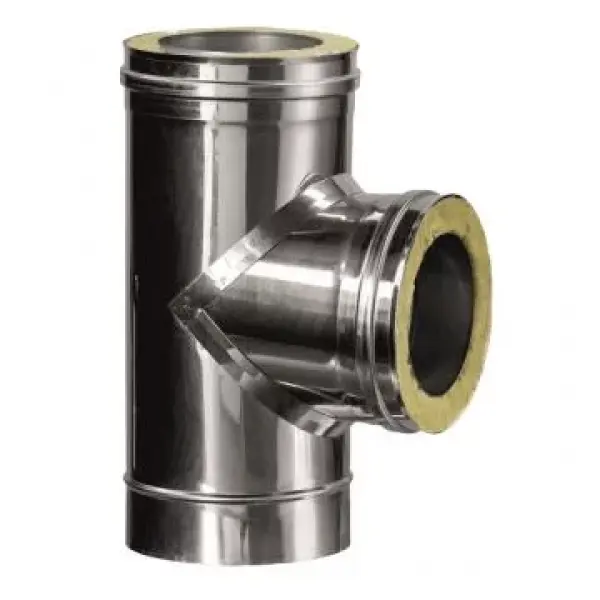
Every Kapella double wall chimney features a dual-layer construction: a high-grade AISI 316L stainless steel inner liner and an AISI 316L stainless steel outer casing, separated by 25mm thick, 80 kg/m³ density rockwool insulation (50mm option available for extreme temperature environments). This insulation barrier maintains flue gas temperature throughout the chimney run, preventing condensation buildup that causes corrosion and draft failure in uninsulated systems.
Inner liner thickness ranges from 0.50mm to 300mm depending on the application, with production diameters available from 100mm to 1200mm — covering everything from residential heating appliances to large-scale industrial boiler exhaust systems. The outer casing provides weather protection, mechanical strength, and a clean architectural finish suitable for visible exterior installations.
Like all Kapella chimney products, double wall systems are manufactured using continuous TIG/WIG welding and precision laser cutting. Our plug-in connection system ensures fast, tool-free assembly on site with perfectly aligned, airtight joints at every connection point. All systems are CE approved and fully compliant with EN 1856 Parts 1 and 2.
Kapella double wall chimney systems are the preferred choice for new construction projects, rooftop installations, external chimney runs, and any application where the flue pipe is exposed to ambient temperature variations. Trusted by engineers and contractors across the Gulf region, Europe, Africa, and the Middle East.
System Specification
Fuel type, appliance output, chimney route (internal/external), and environmental conditions are assessed to determine the correct diameter, insulation thickness, and material grade.
Prefabricated Assembly
Double wall pipe sections arrive fully assembled — inner liner, rockwool insulation, and outer casing are factory-sealed as a single unit, ready for installation.
Plug-In Installation
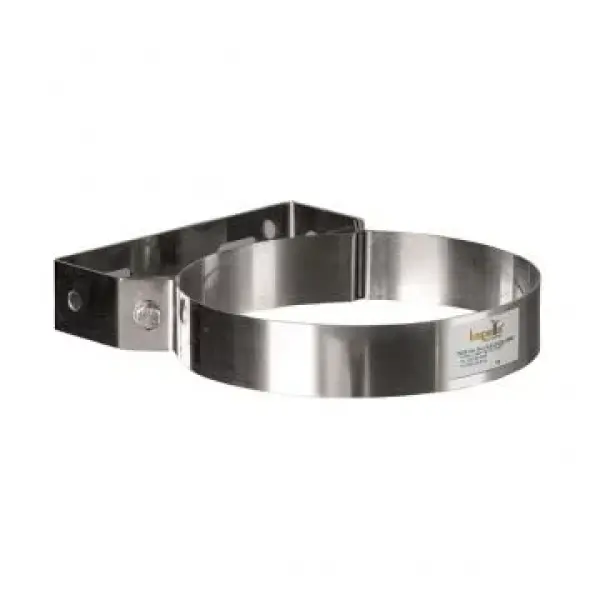
Sections connect on site using Kapella's precision plug-in system. Support brackets, wall bands, and roof penetration kits secure the chimney along its external route.
Commissioning & Compliance
The completed system is tested for draft performance, insulation integrity, and seal tightness. Compliance with local building codes and EN 1856 is verified before operation.
Use a double wall system whenever the chimney route runs outside the building — along external walls, through roofs, or across open areas. The built-in insulation prevents condensation and heat loss that would occur with an uninsulated single wall pipe in exterior conditions.
Kapella offers 25mm rockwool insulation at 80 kg/m³ density as standard, with a 50mm option for applications requiring enhanced thermal performance, such as very cold climates or high-altitude installations.
AISI 316L is a low-carbon austenitic stainless steel with excellent resistance to corrosion, acids, and high temperatures. It is the industry standard for chimney applications where flue gases contain moisture, sulfur compounds, or other corrosive byproducts.
Kapella produces double wall chimney systems with inner liner diameters from 100mm to 1200mm. This covers everything from small residential heating units to large industrial boiler exhaust requirements.
Yes. Kapella double wall systems are designed for solid fuels (wood, coal, pellets), liquid fuels (oil, diesel), and gas fuels (natural gas, LPG). The AISI 316L inner liner withstands the corrosive byproducts of all common fuel types.
Kapella uses a precision plug-in connection system with laser-cut tolerances. Each section slides securely into the next, creating an airtight, mechanically stable joint without on-site welding. Locking bands provide additional security for vertical and horizontal runs.